



![[Translate to Englisch:]](https://www.innotech-safety.com/fileadmin/_processed_/1/a/csm_Mehrere_PV-Kunden_gleichzeitig_betreuen__kann_oft_zur_Riesenherausforderung_werden-header_c1a520d846.jpg "[Translate to Englisch:]")


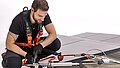


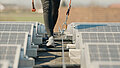


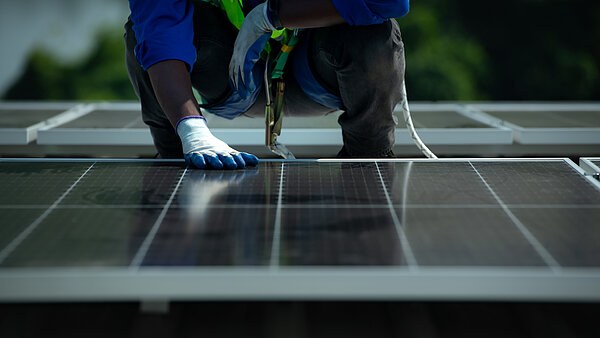
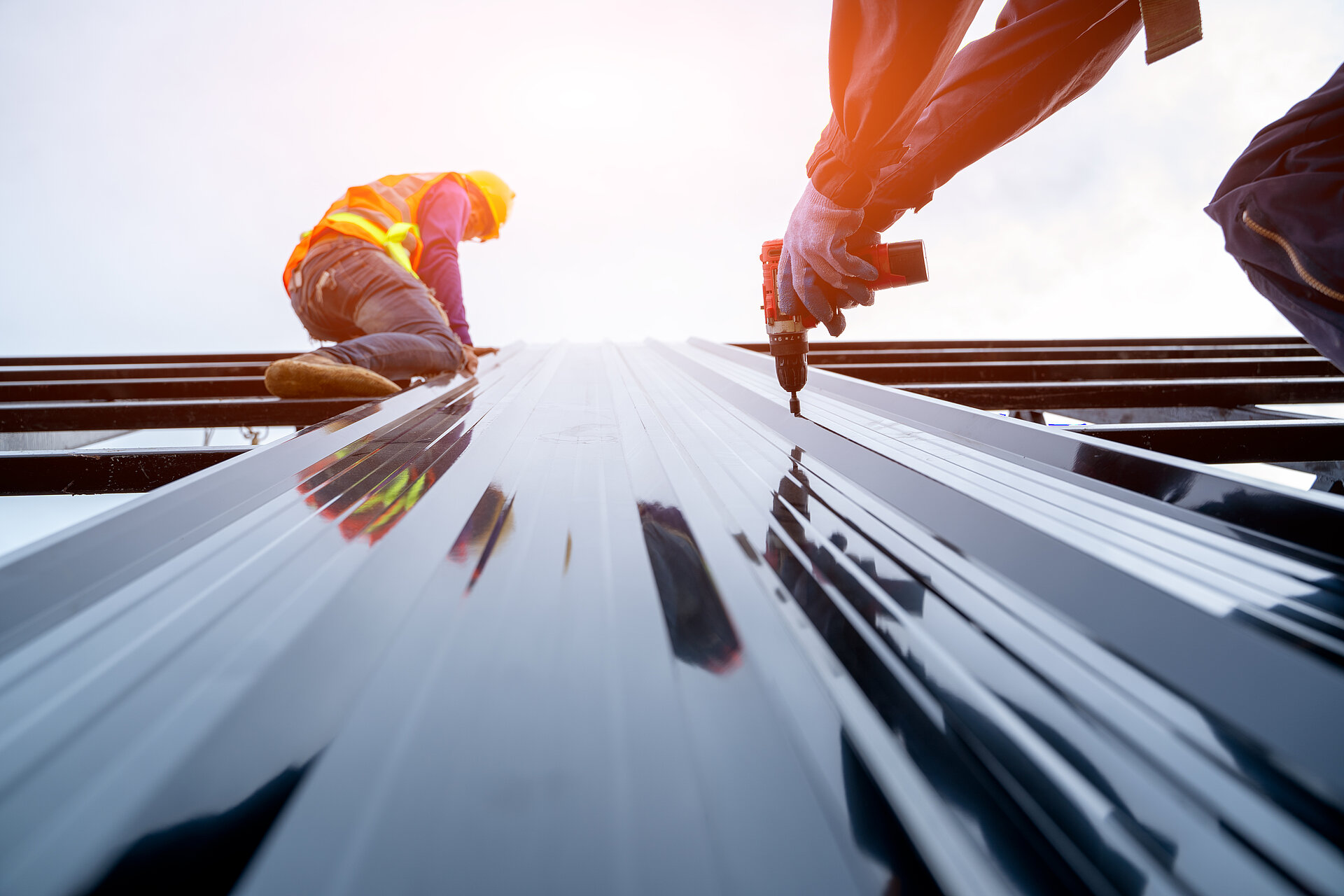
The growing use of solar power plants on people’s own roofs has been a tremendous boon to the entire solar industry. However, this welcome development has also caused the training of specialists to fall behind and thus led to a dramatic shortage of personnel sufficiently qualified to perform the work needed in this highly complex area. The unfortunate side effect is that solar system installers and fitters of PV system focus primarily on their core business / areas of core expertise – the assembly and installation of PV systems. Other essential aspects, such as ensuring safety for the workplace on the roof, are somewhat relegated to the background - both in their daily work and in consultations with the customer.
This, however, is a trend with adverse effects for everyone involved. For the end customer, this trend means that they will have to do their own research to find a fall protection system that fits their PV system best and in a legally compliant manner and someone who will install it. An administrative effort of significant proportions. For solar system installers, the aspect of safety signifies the responsibility of keeping their staff safe during the installation of the PV system – a responsibility for which they are held liable.
A quick and easy solution to this problem is the collaboration with a professional partner specialising in fall protection systems. And: The client needs to commission only one trade contractor / company.
Tip: When submitting your quotes for PV systems on the roof, always include written warnings including information on the responsibilities / statutory regulations and standards imposed on the operators of solar power plants. That way, you are ensuring that solar system installers as well are on the safe side regarding possible liability arising from accidents in the fall risk area. What would be even better is to already offer a professional fall protection system in your proposal.
PV installation with fall protection system as an all-in-one package
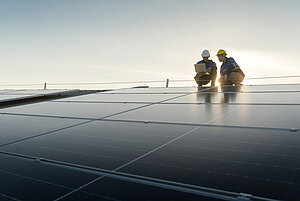
As mentioned above, solar system installers are liable for the staff they entrust with the task of installing a PV system on the roof of the client. Especially if the installers operate in the fall risk area, e.g. close to the edge of the roof. This type of situation calls for a professional fall protection system as well. It therefore makes sense to bring on board a dependable partner for the safety system from the very beginning and go even further and request from them a comprehensive safety concept for the respective construction site. This approach is advisable not only in terms of legal certainty.
It also yields benefits when it comes to the performance of the solar power plant as only a sound fall protection system will ensure a solar power plant that produces the maximum amount of electricity possible and allow for servicing and cleaning at any time. Opting for an improvised safety solution is unwise – for solar system installers and end customers alike. The reason is that such a safety solution will not demonstrate its ability to withstand the forces of a fall until an emergency actually occurs. This approach is equal to playing Russian roulette on the roof - and may yield the most dire consequences.

Experience gives sense of safety
Choosing a partner who is absolutely trustworthy is essential - especially when it comes to the topic of safety. Solar system installers should furthermore ensure that their manufacturers of fall protection systems for PV installations on the roof possess profound know-how in this field and continuously advance their products with regard to quality and functionality. This is the only way for you as a solar system installer to always offer your customers the latest technologies and safety solutions. Our experts will also examine all structural conditions on site and subsequently draw up a sound overall concept that includes a fall protection system that fits the established conditions best.
The advantages a collaboration with INNOTECH holds for the solar system installer:
- INNOTECH handles every aspect involved with fall protection for PV installations on the roof – from project commencement to planning and proposal preparation to the execution of the entire project, i.e. from project commencement to installation including full documentation.
- Aside from carrying out all tests in house and in strict conformity with the relevant standards, INNOTECH also certifies all tested components and systems.
- All components are delivered to the construction site ready for use.
- Short delivery times unlike other manufacturers, as INNOTECH produces exclusively in Austria.
- Full backing and support of the solar system installers on INNOTECH’s part.
- Hand-in-hand project execution – saving time and money.
- Exhaustive range of training courses. INNOTECH also offers the option of receiving on-site training at the respective construction site. This is an advantage of immense value - especially for time-sensitive projects - as it removes the need of waiting for courses to start or similar nuisances.
Make sure to also involve your safety partner when you plan the construction phase of your PV installation on the roof. This lets you kill two birds with one stone, if you will. If you, for instance, install the BARRIER guardrail system from INNOTECH as your safety measure for the construction work, you will save the money you would otherwise have spent on such other elaborate measures as scaffolding, lifting platforms or tensioned nets for safeguarding the workers on top of the roof.
And, this is how it works in practice: The BARRIER fall protection system is attached to the roof before the installation of the PV system begins. This lets you steer clear of any additional - and often costly - safety measures for the work steps performed by the fitters. Once installed, the BARRIER will simply act as a safety system for the PV installation, ensuring that all necessary servicing and cleaning can be performed safely at all times. This translates to savings in time and money - both for the solar system installer and each building owner.
Aside from reaping a host of administrative and logistical benefits from a cooperation with INNOTECH, the solar system installer will - even during the first customer consultation - come across as a responsible expert on solar installations who also keeps an eye on the safety of all workers performing the work. Apart from lessening their workload substantially, this level of competence will make the client feel perfectly at ease and secure. Moreover, the client will feel thoroughly and soundly informed. And that, in turn, will give the solar system installer an exceedingly professional image, which may have a positive effect on their order volume and generate additional income.
The key aspect is, however, that the installation of the safety system lets the solar system installer make a major contribution to preserving lives and preventing falls.

The benefits to the end customer at a glance:
- 360° solution – the customer is saved the hassle of spending expansive time and effort on research and obtaining proposals for optimum fall protection.
- Only one contact partner.
- Legal certainty in case of emergency.
- Since the fall protection system is installed simultaneously with the PV system, there are no travel expenses and no overhead.
- Optimum coordination and delivery of all parts according to schedule - effectively avoiding dwell times.
- Optimum performance of the system, as the solar panels can be safely cleaned and serviced at all times - even spontaneously.
And one thing goes without saying: The greater the degree to which the client perceives the collaboration with the solar system installer as effortless and the better and safer they feel from the get-go, the greater is the likelihood that they will recommend your services. And, word of mouth ranks among the most effective ways to advertise - and does not cost you a cent to boot.
Additional business opportunities for the solar system installer
The countless advantages of joining forces with INNOTECH as a partner for all matters concerning safety also include the opportunity for the solar system installer to utilise more space for solar panels, which springs from the use (whereversensible and possible) of integrated safety solutions from INNOTECH. And that, in turn, means more revenue per order. Better yet, the end customer as well can boost their economic return considerably as their solar power plant will produce more electricity. Finally, a cooperation can also lead to follow-up business deals for the solar system installer.
This is because the law mandates that a fall protection system for PV installations be subjected to an annual inspection. The solar system installer thus returns to the systems they installed and can generate additional revenue with next to no effort. As an added benefit, the solar system installer constantly stays in touch with their customers and remains available as their contact partner. What is more, the Web app INNO|doc lets the solar system installer stay on top of all of their projects with the press of a button and can initiate any necessary after-sales measures in a timely and perfectly coordinated manner.
Summary
Safety on rooftops is always given the highest priority. And, this top priority starts with the installation of PV systems on the roof. This is why solar system installers should work jointly with a dependable partner for safety solutions from day one. Besides offering numerous advantages for solar system installer and client alike, this collaboration will also bestow a professional image to the solar system installer, allowing them to boost their revenue. The best thing to do is to contact our experts right away. They are available for an initial non-binding discussion and don't miss our tips on this topic.